Thinking about moving to Milton? You are not alone. For many buyers relocating to North Fulton, Milton stands out for its larger lots, open space, and quieter pace while still keeping you within reach of Atlanta and nearby business hubs. If you want a clear picture of what daily life, housing, and practical setup really look like here, this guide will walk you through the essentials. Let’s dive in.
Milton Has a Distinct Feel
Milton is a North Fulton suburb about 30 miles from Atlanta, with an estimated 2024 population of 41,291. It borders Cherokee County, Forsyth County, Roswell, and Alpharetta, and it covers about 38.49 square miles. Even with its suburban location, Milton is intentionally shaped by a more rural identity.
That local character is not accidental. The city says about 85% of its land area is agriculturally zoned, which generally requires residential lots to be at least one acre. Milton also emphasizes preserving natural resources and its rural heritage, which helps explain why the city feels different from many other Metro Atlanta suburbs.
Expect Space and Lower Density
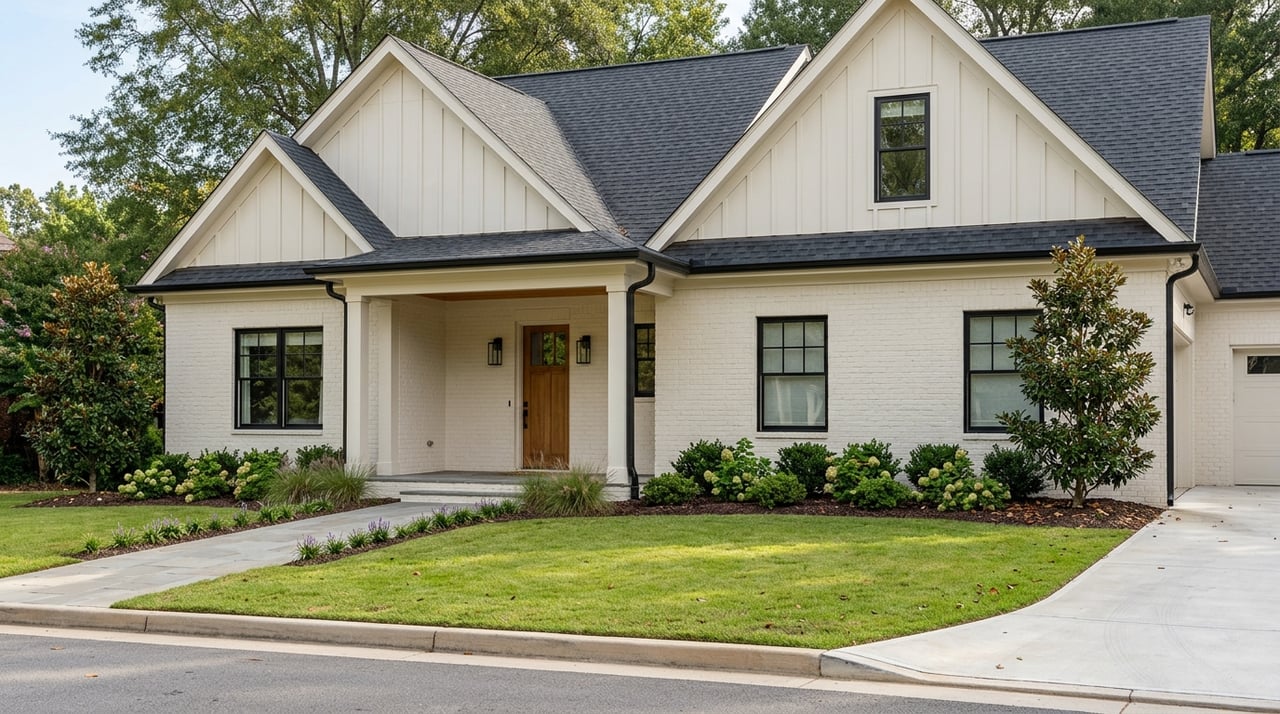
If you are relocating from a denser area, one of the first things you may notice is how spread out Milton feels. Large-lot housing is a major part of the local landscape, and city leaders have described preservation efforts around parcels of three acres or more. In practical terms, that often means more privacy, more land, and a less compact development pattern.
Milton is also well known for its equestrian presence. The city says there are more than 200 active horse farms, and horse properties, pastures, and barns are spread across the city rather than concentrated in just one section. That gives many parts of Milton a countryside feel, even though you are still in a suburban part of North Fulton.
Home Prices Are Typically Premium
Milton is widely considered a premium housing market, and relocation buyers should plan accordingly. Recent market data points to a roughly seven-figure market, with meaningful variation based on lot size, home age, and property type. Acreage and equestrian-ready properties can push pricing higher.
Here is a simple way to frame current expectations:
- Redfin reported a median sale price of $1,129,324 for the three months ending May 2026
- Zillow reported an average home value of $941,274 and a median sale price of $986,500 as of February 2026
- Realtor.com showed a median listing price around $1.4 million, with 316 homes for sale and a median 45 days on market
- The Census Bureau reported a 2019-2023 median value of owner-occupied housing units of $712,200
The key takeaway is simple: you should go into your search expecting a higher-end market with a broad range of home values. Your budget may stretch differently depending on whether you want a newer home, a larger tract of land, or an equestrian setup.
Housing Types Vary by Area
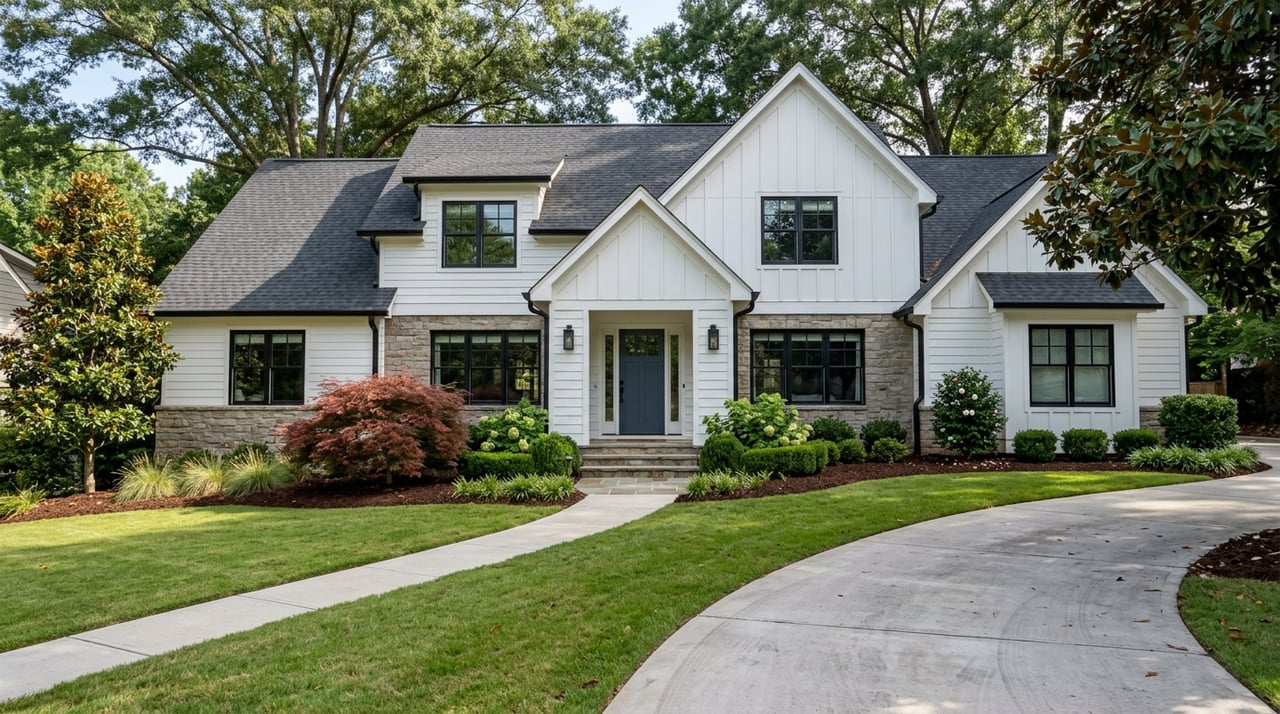
Most of Milton’s housing stock centers on single-family homes on larger lots, estate properties, and equestrian-oriented residences. If your goal is privacy, outdoor space, or room for a custom feel, Milton offers a housing profile that supports that search. Many buyers come here specifically because it does not look or feel like a high-density suburb.
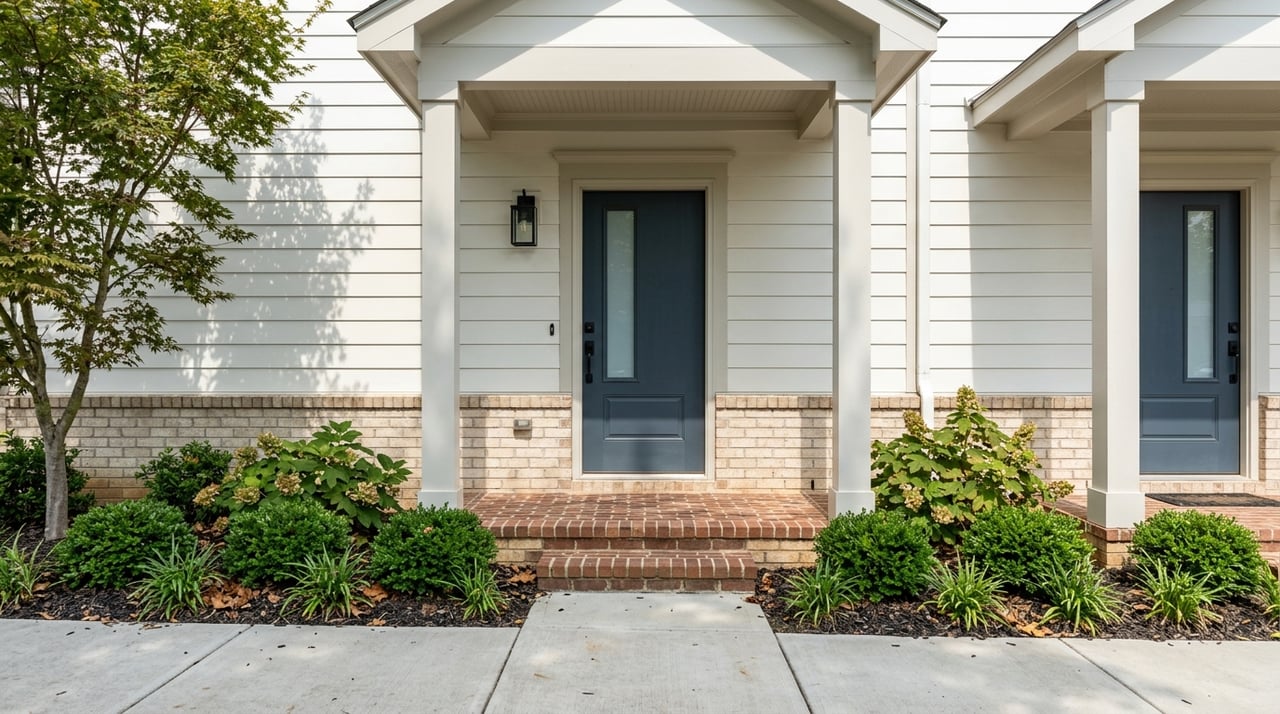
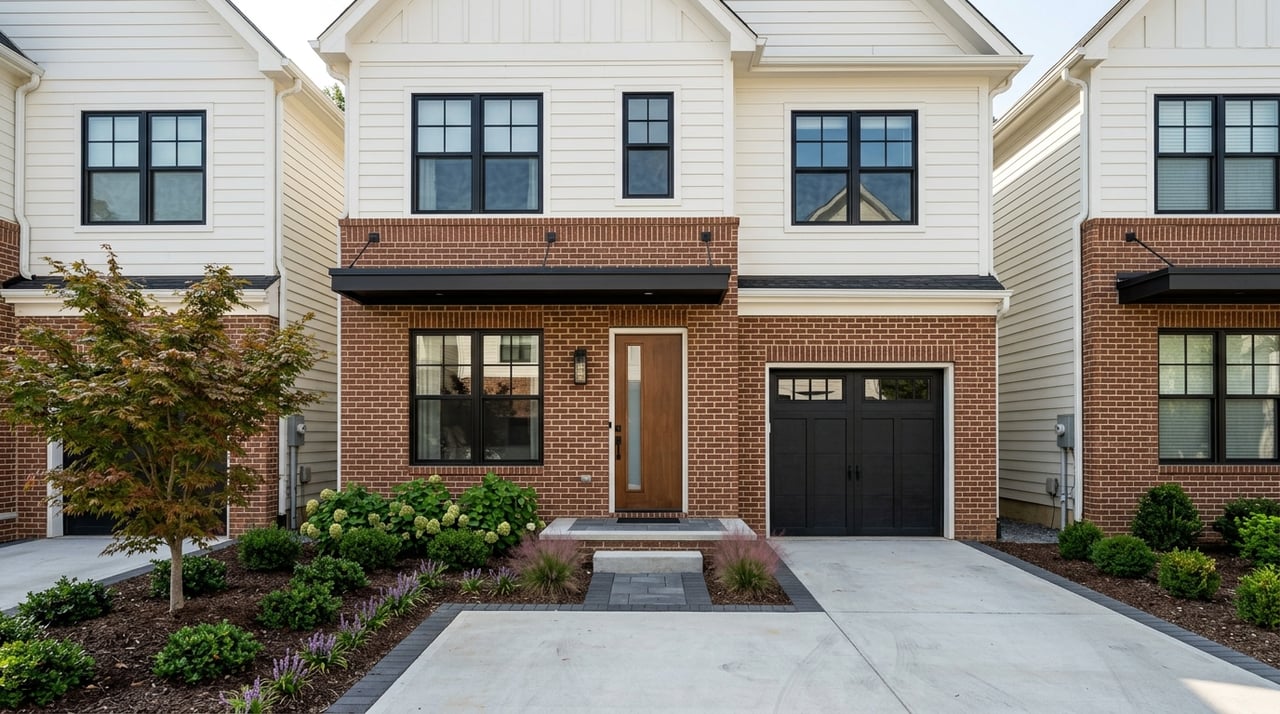
That said, not every part of Milton is the same. The city notes that some denser housing is concentrated in the Crabapple and Deerfield areas, and planning documents identify those areas as containing much of Milton’s multi-family housing. If you want a more connected setting with nearby shops and services, those areas may deserve a closer look.
Crabapple, Deerfield, and Birmingham Matter
When you relocate to Milton, it helps to understand where daily errands and activity tend to cluster. The city identifies Birmingham, Crabapple, and Deerfield as its three main commercial districts. These areas shape much of the local rhythm for shopping, dining, and community events.
Deerfield is described by the city as its chief commercial driver. Crabapple has a well-known downtown setting and hosts recurring community events, including Crabapple Fest, which the city calls its largest and most popular event. Birmingham also plays an important role in Milton’s overall commercial mix.
For many buyers, this matters because Milton’s appeal is partly about balance. You can enjoy more land and open space while still having access to practical conveniences and local gathering spots.
Outdoor Living Is a Big Part of Life
If parks, trails, and open-air recreation matter to you, Milton offers plenty to explore. The city says it owns and maintains numerous active parks, facilities, and passive preserves. Amenities include fields, fishing, playgrounds, trails, picnic areas, tennis courts, and a public pool.
Representative parks and facilities include:
- Bell Memorial Park
- Birmingham Park
- Freedom Park
- Lakhapani Preserve
- Milton City Park and Preserve
- Mayfield Park
- Providence Park
This outdoor access is one reason many relocation buyers are drawn to Milton. It supports an everyday lifestyle that feels more spacious and connected to nature.
School Assignments Need Address Verification
If schools are part of your move decision, exact address verification is important. Milton residents are served by Fulton County Schools, and the city notes that school assignment is address-specific. You should not assume a school assignment based only on a subdivision or neighborhood name.
The city’s area-schools information lists Birmingham Falls, Cogburn Woods, Crabapple Crossing, Summit Hill, Hopewell, Northwestern, Cambridge High, Milton High, and several private options in or near the city. As you narrow your home search, one of the smartest steps is to confirm zoning based on the specific property address.
Commuting Still Leans Car-Dependent
Milton is about 30 miles from Atlanta, and the Census Bureau reports a 2019-2023 mean travel time to work of 28.5 minutes. For most residents, daily movement is still largely car-based. That is an important point to keep in mind if you are moving from a more walkable or transit-centered area.
At the same time, the city is investing in transportation improvements. Milton’s transportation plan is multimodal, and recent actions include work on the Highway 9 project, support for a new Crabapple-Green roundabout, and a pedestrian path north of Bethany Bend. The practical takeaway is that driving remains central, but some corridors are becoming safer and easier to navigate on foot.
Utilities and Property Setup Can Differ
Before you close on a home in Milton, make sure you understand the property’s utility setup. Fulton County handles water and sewer unless a property uses septic. The city says septic is generally used on lots one acre and over, and septic permits are issued by the Fulton County Health Department’s North Office in Alpharetta.
This matters because utility details can affect your planning, inspections, and long-term maintenance expectations. In a city where larger lots are common, it is smart to confirm whether a home is connected to sewer or relies on septic before you move forward.
Property Taxes Include Separate Bills
Milton newcomers should also know that property taxes are not handled through a single city-only bill. Property owners pay Fulton County taxes, which include county school and state portions. The city then sends separate city tax bills.
That setup can be new for some relocating buyers, especially if you are coming from an area with a different billing structure. It is worth reviewing both components early so you have a complete picture of ownership costs.
Horse Country Comes With Practical Rules
Because horse properties are so common in Milton, even buyers who do not own horses should pay attention to parcel-specific rules. The city enforces fireworks setbacks near horse properties, and it notes that many parts of Milton are off-limits for fireworks because horse farms are so widespread. This is a very local example of how Milton’s rural and equestrian identity can shape day-to-day rules.
If you are buying an equestrian property, or even a home near one, it is worth checking for parcel-specific restrictions, setbacks, or related requirements before closing. That extra step can help you avoid surprises later.
What to Verify Before You Buy
A relocation move goes more smoothly when you know what to confirm early. In Milton, a few details deserve extra attention because of the city’s lot sizes, zoning patterns, and rural character.
Before closing, make sure you verify:
- School assignment by exact property address
- Whether the parcel is on sewer or septic
- Any parcel-specific easements, setbacks, or equestrian-related restrictions
- How lot size and property type may affect your budget and long-term plans
These are not just small details. In Milton, they can shape how well a home fits your lifestyle and expectations.
Why Milton Appeals to Relocating Buyers
For many buyers, Milton offers a rare combination in North Atlanta. You can find larger lots, open space, and a more rural atmosphere while still staying close to Alpharetta, Roswell, and the broader Metro Atlanta job market. That mix is a big reason Milton continues to draw attention from relocation buyers who want breathing room without feeling cut off.
It also helps that the city has clear community identity. Between its equestrian roots, preserved green space, established parks, and focused commercial nodes, Milton offers a lifestyle that feels intentional rather than overbuilt. If that balance lines up with what you want, Milton can be a compelling place to land.
If you are planning a move to Milton and want local guidance on neighborhoods, pricing, lot types, and the details that matter before you buy, The Mike Price Team can help you navigate the process with clear, local insight.
FAQs
What is Milton, Georgia known for?
- Milton is known for its rural character, large-lot zoning, open space, and equestrian presence, including more than 200 active horse farms according to the city.
What should buyers expect home prices to look like in Milton?
- Buyers should generally expect Milton to be a premium market, with recent sale and listing data centered around roughly $1 million to $1.4 million, depending on lot size, age, and property type.
What types of homes are common in Milton?
- Milton is best known for single-family homes on larger lots, estate properties, and equestrian-oriented residences, with some denser housing in the Crabapple and Deerfield areas.
How do school assignments work in Milton?
- Milton residents are served by Fulton County Schools, and school assignments are address-specific, so you should verify zoning by the exact property address.
Is Milton a good fit for commuters to Atlanta?
- Milton is about 30 miles from Atlanta, and commuting is still largely car-dependent, though the city is investing in safer roads and improved pedestrian connections in key areas.
What utilities should new Milton residents confirm before closing?
- You should confirm whether the property is connected to sewer or uses septic, since larger lots in Milton often rely on septic systems.
How are property taxes structured for Milton homeowners?
- Milton homeowners pay Fulton County taxes, which include county school and state portions, and they also receive separate city tax bills.
Are there special property rules new Milton residents should know?
- Yes. Depending on the parcel, you may need to check easements, setbacks, equestrian-related restrictions, and local fireworks rules near horse properties.